
"New Wild"
3000 article(s) found

Wild extraction Mountain Molecular Juice Shenzhen how many families 1000 yuan a glass of olive juice tastes good, but why is it so expensive
What? Now the juice is 1000 yuan a cup? Is it made of gold? No, no! It is made of three-twisted olives, the king of olives in Chaoshan area of Guangdong Province. Although the price is high, there is still a lot of praise. What on earth is going on? Everyone look down patiently ~ Golden jade three twist olive juice is the treasure of the town shop in Yezuishan. Some readers in non-Shenzhen areas should not know much about Yezuishan.

Coffee producing country Ethiopia (Ethiopia)
The birthplace of coffee-Ethiopia. The coffee tree originated in Ethiopia, which was originally a wild plant here, and the name coffee comes from the Ethiopian town of Kaffa. In fact, many coffee trees in Ethiopia are still wild plants, and the coffee grown on this coffee tree is full-grained and slightly alcoholic. Humans may have lived as early as the 9th century

Boutique coffee beans Ethiopia (Ethiopia)
The coffee tree originated in Ethiopia, which was originally a wild plant here, and the name coffee comes from the Ethiopian town of Kaffa. In fact, many coffee trees in Ethiopia are still wild plants, and the coffee grown on this coffee tree is full-grained and slightly alcoholic. Humans may have known how to grow coffee trees as early as the 9th century, but

Fine Coffee Ethiopian Coffee Manor
The birthplace of coffee-Ethiopia. The coffee tree originated in Ethiopia, which was originally a wild plant here, and the name coffee comes from the Ethiopian town of Kaffa. In fact, many coffee trees in Ethiopia are still wild plants, and the coffee grown on this coffee tree is full-grained and slightly alcoholic. Humans may have been in the 9th century.

Fine Coffee Ethiopian Coffee Manor
The birthplace of coffee-Ethiopia. The coffee tree originated in Ethiopia, which was originally a wild plant here, and the name coffee comes from the Ethiopian town of Kaffa. In fact, many coffee trees in Ethiopia are still wild plants, and the coffee grown on this coffee tree is full-grained and slightly alcoholic. Humans may have been in the 9th century.

Coffee from Ethiopia
The coffee tree originated in Ethiopia, where it was originally a wild plant, and the name "coffee" comes from the Ethiopian town of Kaffa.

Coffee producing area Ethiopian Isabia coffee beans
The birthplace of coffee-Ethiopia. The coffee tree originated in Ethiopia, which was originally a wild plant here, and the name coffee comes from the Ethiopian town of Kaffa. In fact, many coffee trees in Ethiopia are still wild plants, and the coffee grown on this coffee tree is full-grained and slightly alcoholic. Humans may have lived as early as the 9th century
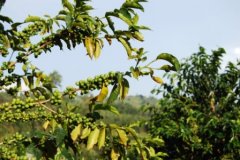
The birthplace of coffee-Ethiopian fine coffee
Ethiopia (Ethiopia) The birthplace of coffee-Ethiopian coffee tree originated in Ethiopia (Ethiopia), it was originally a wild plant here, coffee this name comes from Ethiopia's small town Kaffa (Kaffa). In fact, many coffee trees in Ethiopia are still wild plants, and the coffee grown on this coffee tree is full and slightly alcoholic.

Ethiopia, the producer of world boutique coffee.
The birthplace of coffee-Ethiopia. The coffee tree originated in Ethiopia, which was originally a wild plant here, and the name coffee comes from the Ethiopian town of Kaffa. In fact, many coffee trees in Ethiopia are still wild plants, and the coffee grown on this coffee tree is full-grained and slightly alcoholic. Humans may have lived as early as the 9th century

Introduction to the characteristic Origin of Ethiopian Coffee
Coffee production in Ethiopia: many coffee trees in Ethiopia are still wild plants, and the coffee grown on this coffee tree is full of grains and slightly alcoholic. Today, Ethiopia is an important coffee producer and a major exporter of Arabian coffee beans in Africa. The high-quality coffee here is of excellent quality. A variety of coffee cultivation methods can be found in Ethiopia:

Ethiopian Coffee Origin Ethiopian Coffee Farm
The birthplace of coffee-Ethiopia. The coffee tree originated in Ethiopia, where it was originally a wild plant, and the name coffee comes from the Ethiopian town of Kaffa. In fact, many coffee trees in Ethiopia are still wild plants, and the coffee grown on this coffee tree is full of particles and slightly fragrant. Humans may have been as early as the 9th century

Ethiopian treatment of boutique coffee solarization
The birthplace of coffee-Ethiopia. The coffee tree originated in Ethiopia, which was originally a wild plant here, and the name coffee comes from the Ethiopian town of Kaffa. In fact, many coffee trees in Ethiopia are still wild plants, and the coffee grown on this coffee tree is full-grained and slightly alcoholic. Humans may have been in the 9th century.

Ethiopian treatment of boutique coffee washing
The birthplace of coffee-Ethiopia. The coffee tree originated in Ethiopia, which was originally a wild plant here, and the name coffee comes from the Ethiopian town of Kaffa. In fact, many coffee trees in Ethiopia are still wild plants, and the coffee grown on this coffee tree is full-grained and slightly alcoholic. Humans may have been in the 9th century.

The Origin of Coffee trees in Ethiopia
The birthplace of coffee-Ethiopia. The coffee tree originated in Ethiopia, which was originally a wild plant here, and the name coffee comes from the Ethiopian town of Kaffa. In fact, many coffee trees in Ethiopia are still wild plants, and the coffee grown on this coffee tree is full-grained and slightly alcoholic. Humans may have been in the 9th century.

Ethiopian coffee beans Ethiopian coffee beans
The birthplace of coffee-Ethiopia. The coffee tree originated in Ethiopia, where it was originally a wild plant, and the name coffee comes from the Ethiopian town of Kaffa. In fact, many coffee trees in Ethiopia are still wild plants, and the coffee grown on this coffee tree is full of particles and slightly fragrant. Humans may have been as early as the 9th century

Coffee producing area of Ethiopia Arabica coffee beans
Coffee production in Ethiopia: many coffee trees in Ethiopia are still wild plants, and the coffee grown on this coffee tree is full of grains and slightly alcoholic. Today, Ethiopia is an important coffee producer and a major exporter of Arabian coffee beans in Africa. The high-quality coffee here is of excellent quality. A variety of coffee cultivation methods can be found in Ethiopia:

Boutique coffee Ethiopian origin Ethiopian coffee practice
The birthplace of coffee-Ethiopia. The coffee tree originated in Ethiopia, which was originally a wild plant here, and the name coffee comes from the Ethiopian town of Kaffa. In fact, many coffee trees in Ethiopia are still wild plants, and the coffee grown on this coffee tree is full-grained and slightly alcoholic. Humans may have been in the 9th century.

Boutique coffee Ethiopian origin Ethiopian coffee practice
The birthplace of coffee-Ethiopia. The coffee tree originated in Ethiopia, which was originally a wild plant here, and the name coffee comes from the Ethiopian town of Kaffa. In fact, many coffee trees in Ethiopia are still wild plants, and the coffee grown on this coffee tree is full-grained and slightly alcoholic. Humans may have been in the 9th century.

The birthplace of coffee in Ethiopia (Ethiopia)
The birthplace of coffee-the Ethiopian coffee tree originated from Ethiopia (Ethiopia), it was originally a wild plant here, and the name coffee comes from the Ethiopian town of Kaffa. In fact, many coffee trees in Ethiopia are still wild plants, and the coffee grown on this coffee tree is full-grained and slightly alcoholic. Humans may have been around as early as the 9th century.